
All Mel Brooks jokes aside, what is a miracle?

I recently came across this image on my X feed. It’s an excellent example of two things: first, that Western atheists specifically reject the Christian paradigm, and second the reality that Christianity is explicitly about placing faith over evidence.
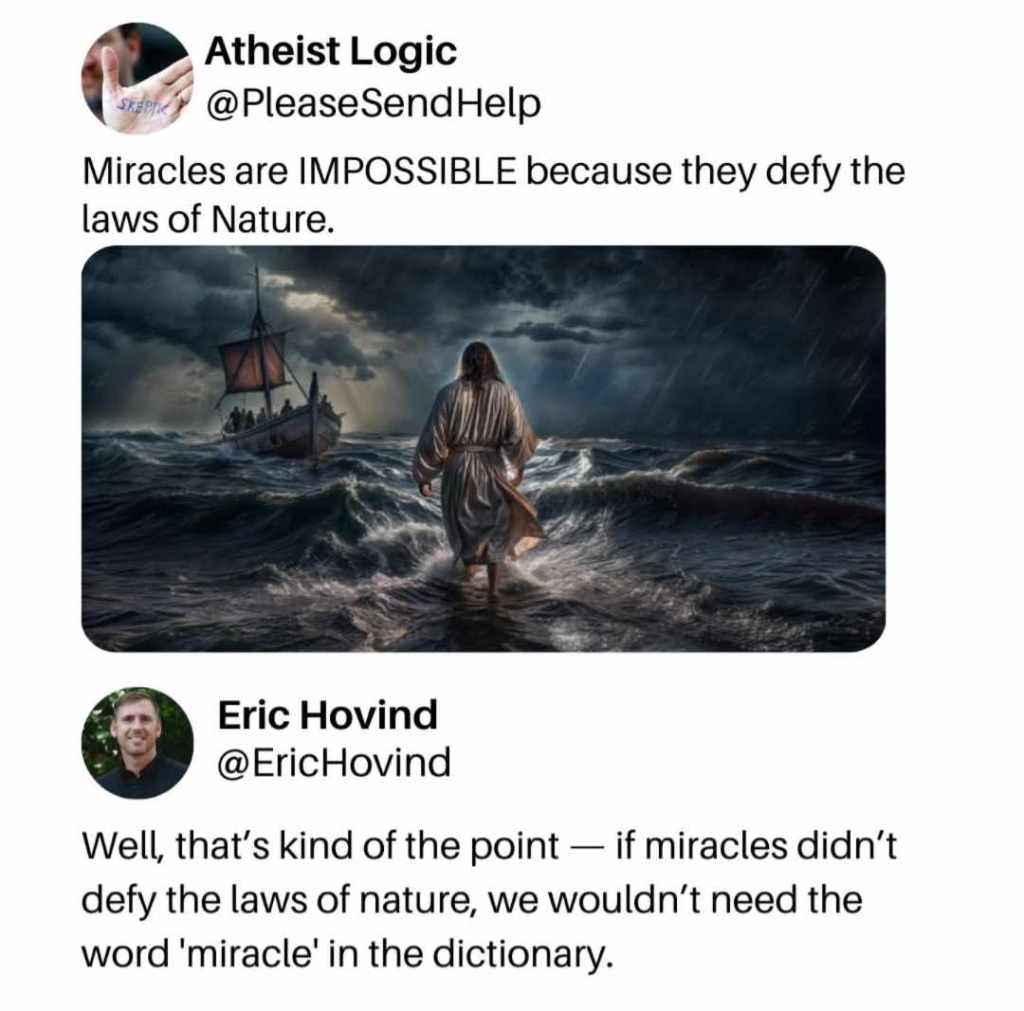
It is true that “miracle” can be defined as an event that can be ascribed to the Divine because it defies natural law, and that is a commonly used definition, especially among Christians, but it is not the only definition. According to Etymonline, the word “miracle” orginated in 12th century English to refer to a “wondrous work of G-d.” It came from Latin, via Old French, and the Latin word means “object of wonder,” but was used by the Catholic church to refer to “marvelous events caused by G-d.” That word comes from a word that means “wonderful, astonishing, amazing,” and that word comes from the Proto-Indo-European word meaning “to smile or laugh.”
Oxford Languages and Miriam-Webster each provide three definitions of the word “miracle,” only one of which involves deviation from the natural law. The other definitions include
- An extraordinary event manifesting divine intervention in human affairs
- An extremely outstanding even, thing, or accomplishment
- A divinely natural phenomenon experienced humanly as the fulfillment of spiritual law
- A highly improbable or extraordinary event, development, or accomplishment that brings welcome consequences
- An amazing product or achievement, or an outstanding example of something
The first three of those are quoted directly from Miriam-Webster, and the last two are transcribed from Oxford Languages. The final definition is hyperbolic, so it doesn’t apply to what we are discussing here. The third definition in that list was designated as specific to “Christian science.” As far as I can tell, that means natural phenomena, which are attributed to the divine.
The problem with insisting on using “miracle” in the supernatural sense is that it blinds us to the hand of G-d in the world around us and in our own lives. The vast majority of miracles in TaNaKh can be described as highly improbable events or sequences of events that, while not violating natural law, are timed in a way that enables a very specific series of events or desired result. There’s nothing supernatural, for instance, about the Torah narrative from the point of Yosef annoying his brothers with his dreams to the point of Yosef and his family being reunited in Egypt and riding out the regional famine. The miracle of that story, according to Yosef himself, is that each incident came together to put Yosef in the right place, at the right time, and with the right relationships to achieve specific outcomes–prosperity in the face of famine for Egypt and the relocation of his family to Egypt under the protection and with the blessing of Pharoah.
While each individual event isn’t all that impressive (although they generally are highly emotional), taken together, the progression of a man being sold by his brothers into slavery, bought, imprisoned, freed, brought into the Pharoah’s court, and ultimately becoming the Pharoah’s right hand is so improbable that it is difficult to explain the confluence of narrative and timing without concluding that either the story is a complete fiction or that divine intervention was involved. The same can be said of the lives of the Patriarchs, Moshe’s birth, the Exodus, etc. And that theme continues through the Neviim and Kethuvim. If we go back to the very beginning, the very existence of Creation is itself so improbable as to be a miracle, regardless of whether you choose to interpret the first few chapters of Bresheit literally or you believe in a Big Bang or anything in between.
In our own lives, miracles can be small or subtle, but they are no less improbable. They can include finding something you need, exactly when you need, at a cost you can afford. That might just be down to the generosity of others, but the alignment of their generosity with your need is providential. They can also be the progression of human knowledge and invention to the point of a specific, unlikely outcome, such as the development of antibiotics or the invention of mechanized flight.
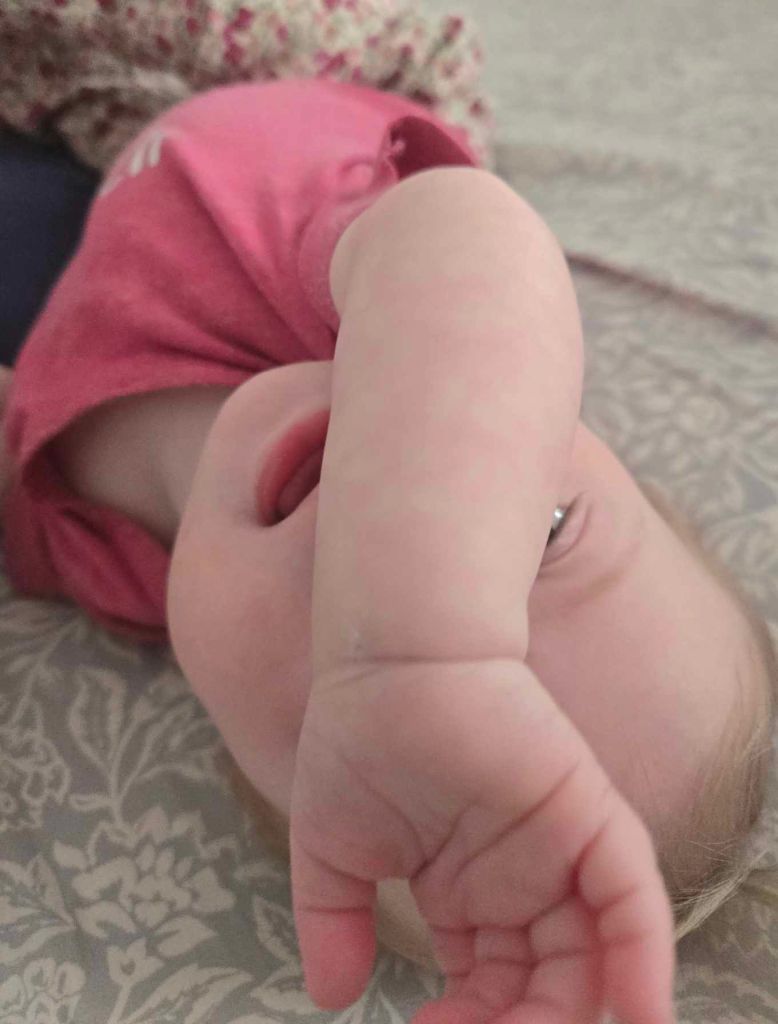
In my own life, my youngest child has Down Syndrome and needed treatment for a complication associated with that at birth. Not only was that complication treatable without surgery, but she doesn’t have any problems from it going forward. Just a few decades ago, medical science would have been unable to diagnose, let alone treat that problem. Moreover, just a century ago, people with Down Syndrome had an average life expectancy of just two years. Now, they can expect to live 60. That improvement in life expectancy is due to improved sanitation, the invention of antibiotics, improvements to anesthetics and surgical techniques, the development of heart surgery, huge advancements in neonatal medicine, the development of prenatal ultrasound (which allows for prenatal diagnosis of heart and other organ defects), improvements in detecting and treating autoimmune disorders (especially Type 1 Diabetes), the invention of the CPAP machine, the availability of oxygen and feeding support, and improved diagnosis and treatment for allergies. Being able to treat a complicated medical problem that was previously untreatable is miraculous. The expansion of life expectancy for those with Down Syndrome is also miraculous. We could easily attribute the research that led to those advancements to divine wisdom or inspiration.
Not only does my daughter exist in a time when she just happens to benefit from both, but my husband and I just happened to move to a part of the country with excellent care and services for her and people like her. We moved here over a decade ago and Down Syndrome services were nowhere on our radar at the time. She was also born about a year after we acquired really good health insurance for the first time. We could say that my daughter being born in exactly the right place and at exactly the right time is just a series of coincidences, but those are a lot of very specific, very big coincidences that occurred on a global scale over the course of decades. Attributing to random chance all those historic advancements aligning with personal decisions made for other reasons in such a way that benefits my child (or other children like her) feels a lot like expecting the laundry to fold itself in the dryer.
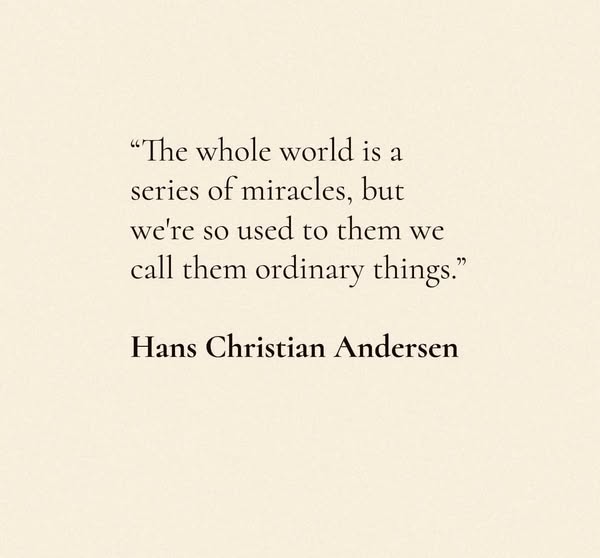
Life is full of confluences that can’t be easily be dismissed as coincidence, and we should meet them with gratitude and appreciation that we are less likely to feel if we go around looking for the impossible. As I wrote above, the PIE root of the word “miracle” means “to smile or laugh”. With that in mind, perhaps a good working definition of “miracle” would be “something unplanned that causes unexpected joy or wonder.” Miracles happen every day, because Hashem works them within the confines of the natural law, and recognizing them leads us, not only to a better appreciation for Hashem in our daily lives, but to a life framed in terms of wonder, gratitude, and joy for the entirety of creation.
 Silver Trumpets